Plaster, drywall, and Sheetrock can all describe the walls or ceilings inside a home, but they are not always the same thing.
Drywall is the general term for modern gypsum wallboard.
Sheetrock is a brand name that many people use to mean drywall, the way people say “Kleenex” for tissues.
Plaster is an older wall and ceiling system, often built over wood lath, rock lath, or metal lath.
Once everything is painted, they may look similar. But when they crack, sag, get water damaged, or need repairs, the difference matters.
How to Know What You Have and When It Needs More Than Spackle?
Older plaster walls and ceilings are different from modern drywall. They are harder, heavier, and often built as a layered system over wood lath. When plaster starts cracking, sagging, blistering, or separating, the right repair depends on what is actually failing behind the surface.
Sometimes plaster can be repaired and stabilized. Sometimes it makes more sense to remove it or cover it with new sheetrock. The key is knowing the difference.
How Do I Know If I Have Plaster?
If your home was built before about 1950, there is a good chance some of the walls or ceilings may be plaster rather than modern drywall.
One simple clue is how the wall or ceiling feels and sounds. Plaster is usually harder and denser than drywall. If you knock on it and it feels almost like concrete, there is a good chance it is plaster.
Other signs can include:
spiderweb-style cracks
irregular cracks that do not follow a straight line
bulges or blisters
sagging areas in ceilings
hollow-sounding spots
old repairs that keep cracking
thicker wall surfaces around outlets, doors, or trim
Many homeowners call everything “sheetrock,” but older homes may have plaster, drywall, or a mix of both.
The Anatomy of a Plaster and Lath Wall or Ceiling
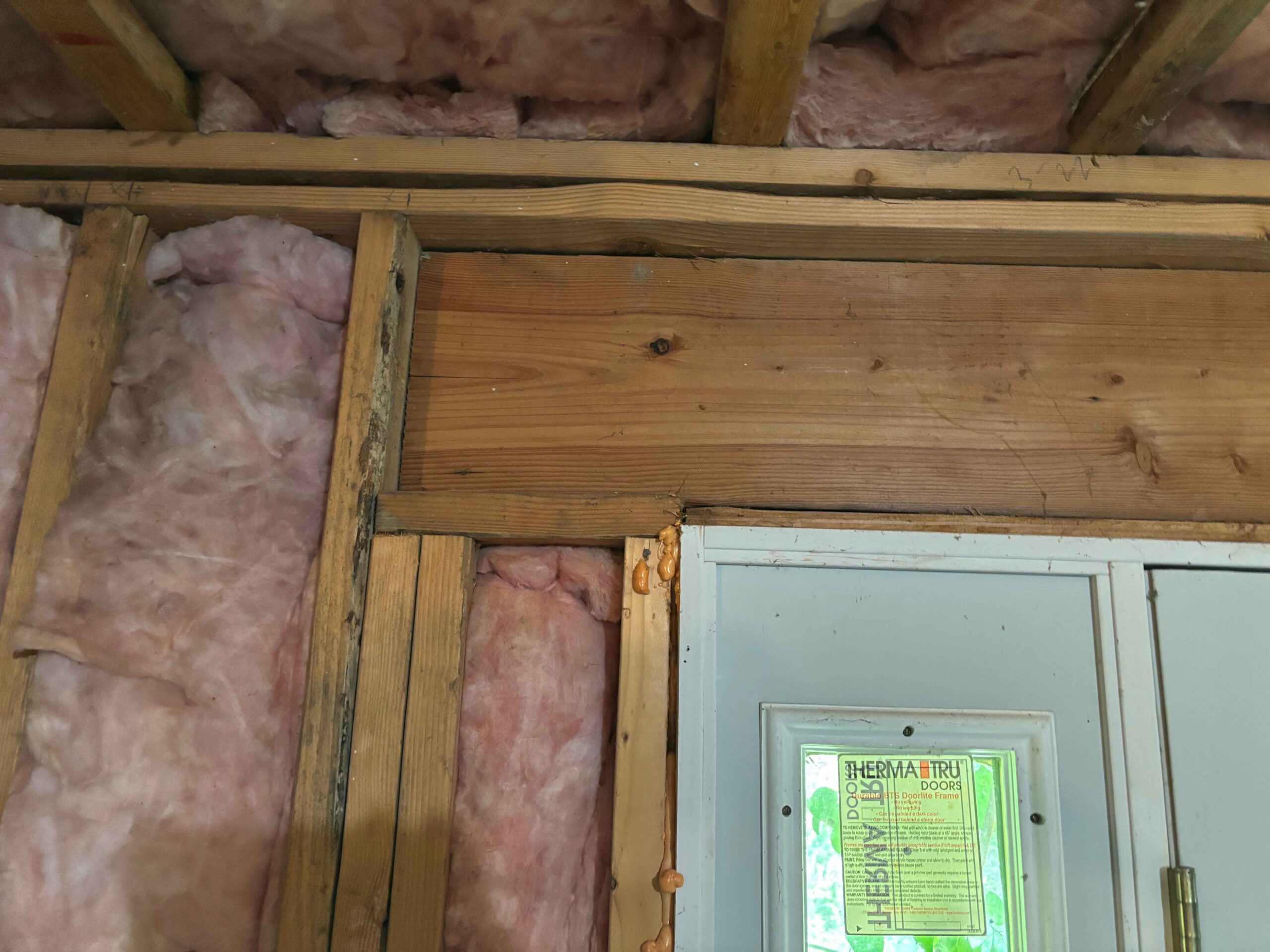
Traditional plaster was usually installed over wood lath. The lath is made of thin wood strips nailed to the framing. Wet plaster was pushed over the lath, and some of that plaster squeezed through the gaps between the strips.
When the plaster pushed through those gaps and hardened, it formed what are called “keys.” Those keys helped lock the plaster to the lath.
That system can last a very long time. But when the keys break, the lath pulls loose, water gets in, or the framing moves, the plaster can start to crack, loosen, sag, or fail.
The important thing to understand is this: the painted surface may only show a crack, but the real problem may be deeper in the plaster and lath system.
Plaster Cracks Differently Than Drywall
Drywall cracks often follow a seam, corner, or straight joint. Plaster does not always crack that way.
Plaster can crack in irregular patterns. It may spiderweb, branch out, or crack in several directions around one weak area. That is one reason plaster repairs often need to cover more than just the visible line.
If the surrounding plaster is brittle, loose, or separated from the lath, a narrow strip of compound over the crack may not hold. The repair may need wider reinforcement to tie the area together.
Depending on the condition of the wall or ceiling, larger mesh tape or mesh sheets may be used to reinforce the repair area. Fast-setting compounds can also be useful in the first coats because they bond well and set harder than traditional joint compound when used properly. Traditional compound may still be used for finish coats, but the first coats often need to help stabilize and tie the repair together.
The goal is not just to hide the crack. The goal is to repair the failed area.
Common Mistakes in Plaster Repair
One of the biggest mistakes is treating plaster like regular drywall.
Spackling over a plaster crack may hide it for a while, but it does not fix loose plaster, broken keys, failed lath, or movement behind the surface.
Common plaster repair mistakes include:
covering cracks without checking if the plaster is loose
using compound over dusty or chalky plaster without proper prep
ignoring water damage
taping over movement without stabilizing the area
screwing only into loose wood lath instead of framing
using regular screw heads where plaster washers are needed
assuming every crack can be skim coated
assuming every plaster problem needs full replacement
A good plaster repair starts with figuring out what is still solid and what has failed.
Why Loose Plaster Has to Be Secured the Right Way?
When plaster starts pulling away from the wall or ceiling, the repair is not always as simple as putting screws into the surface.
If the plaster has pulled away from the lath, or if the lath itself has pulled away from the framing, the loose area needs to be secured to something solid. Screwing loose plaster to loose lath does not solve the real problem.
The goal is to secure the plaster and lath system back to the framing members behind it.
That usually means finding the framing and fastening into solid wood. Plaster washers can also be important because a regular screw head is small and may not grab enough material. A plaster washer spreads the pressure over a wider area and helps pull the loose plaster back without the screw head simply crushing through the surface.
This is one reason plaster repair takes judgment. You need to know whether the plaster is still sound, whether the lath is still attached, and whether the loose area can be safely secured before coating and finishing.
Why Failing Plaster Ceilings Are More Dangerous Than Walls?
A failing plaster ceiling should be taken more seriously than a failing plaster wall.
Plaster is heavy. When plaster on a ceiling starts separating from the lath, or the lath starts pulling away from the framing, that material is fighting gravity directly. If enough of it lets go, it can fall suddenly.
That is different from a wall. Loose plaster on a wall may crack, bulge, or separate, but it is not hanging overhead in the same way. A ceiling has gravity working against it all day, every day.
A failing plaster ceiling is not something to ignore. What looks like “just a crack” may be a sign that part of the ceiling system is loose. If a large section comes down, it can be like having a heavy chunk of concrete fall from above.
Warning signs can include:
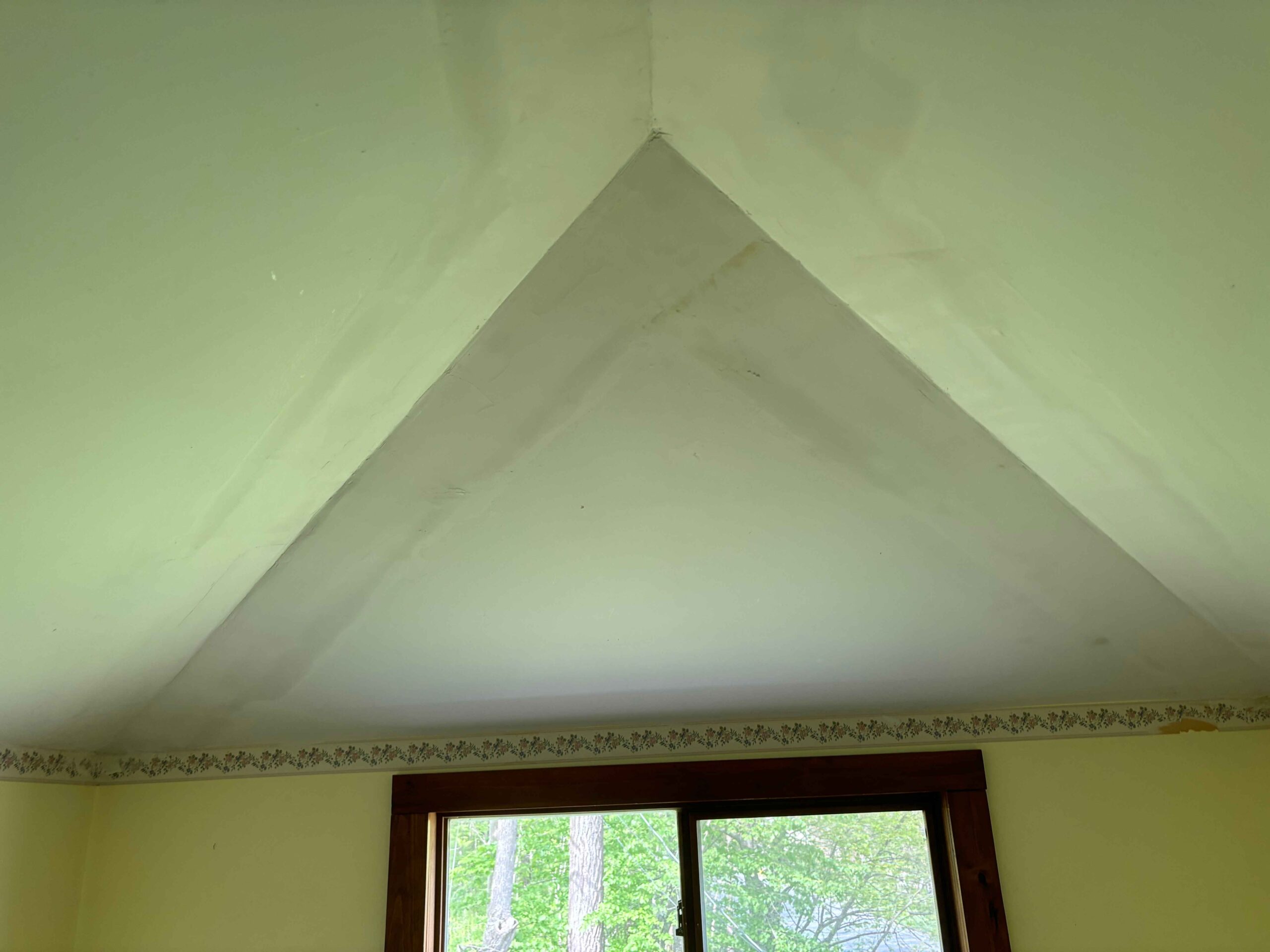
sagging or bulging areas
spiderweb cracking
hollow sounds when tapped
blisters hanging down
cracks that keep growing
water stains or soft areas
old repairs that are opening up again
loose plaster around a ceiling perimeter
If 40% of a plaster ceiling is loose or failing, repairing only that 40% does not automatically guarantee that another section will not fail later. The rest of the ceiling may already be weak, even if it has not visibly sagged yet.
That is why large plaster ceiling repairs need judgment.
When Can Plaster Be Repaired?
Plaster can often be repaired when the surrounding area is still mostly solid.
Repair may make sense when:
the loose area is limited
the cracks are not widespread
the water source has been fixed
the plaster can be secured back to framing
the damaged area can be reinforced
the surface can be blended into the surrounding wall or ceiling
Common repair situations include cracks, small loose areas, failed previous repairs, ceiling patches, plaster-to-drywall transitions, and skim coating over rough but stable plaster.
The goal is to make a repair that matches the condition of the wall or ceiling — not just cover the surface.
When Should Plaster Be Replaced?
Sometimes repair is not the best answer.
Replacement may make more sense when:
the ceiling is sagging over a large area
large sections have separated from the lath
the ceiling is unsafe
water damage is widespread
the plaster keeps breaking apart
old repairs are layered and failing
the homeowner wants a flatter modern finish
the repair would cost nearly as much as replacement
The goal is not always to save old plaster at any cost. The goal is to choose the repair that makes sense for the condition of the wall or ceiling.
Replacing or Covering Old Plaster Ceilings
For larger failing plaster ceilings, there are usually two practical options.
One option is to remove the old plaster and replace it with traditional sheetrock. This may be the right choice when the ceiling is unsafe, badly damaged, or not worth trying to save.
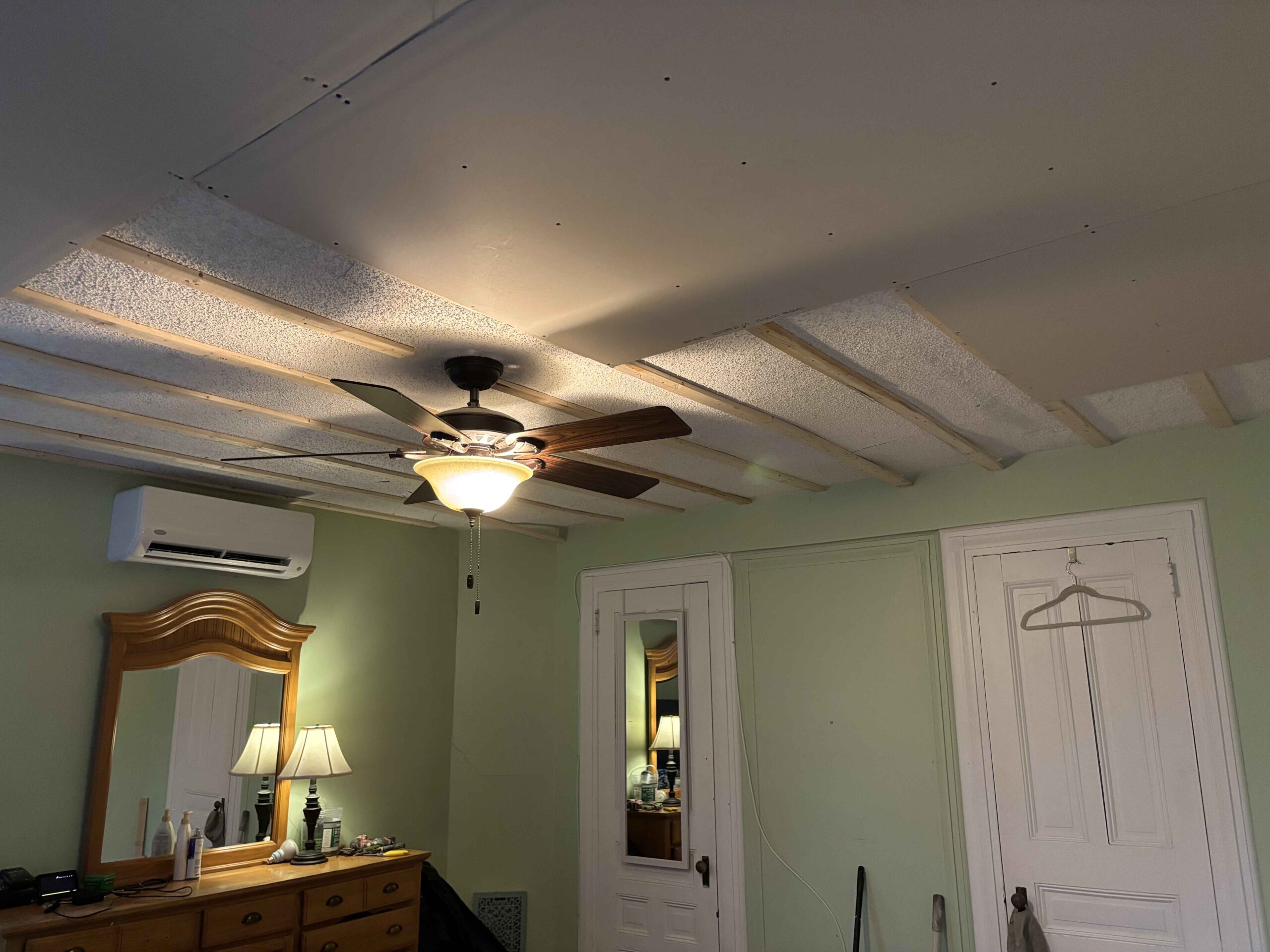
The other option, when conditions allow, is to install wood sleepers or furring strips over the existing plaster and then install new sheetrock over those strips.
With this method, the furring strips are fastened through the old plaster and into the ceiling framing above. The new sheetrock is then attached to the furring strips. This can create a new, flat ceiling surface while avoiding much of the dust and disruption that comes with tearing out old plaster.
The important part is that the furring strips must be fastened into solid framing — not just into loose plaster or loose lath.
Why Avoiding Plaster Demolition Can Matter?
Removing old plaster is one of the dustiest interior demolition jobs there is.
The plaster can break into heavy chunks, and the old material behind it can create a very fine, dirty dust that gets everywhere if the work is not controlled carefully.
That is one reason the furring strip method can be a good option in the right situation. If the old ceiling can safely stay in place, installing furring strips and new sheetrock over it can solve a lot of the demolition problem.
You get a new ceiling surface without creating the same level of plaster removal dust throughout the house.
Bonus Tip: Cove Molding Can Help Avoid Painting the Walls
When an old plaster ceiling is covered with new sheetrock or replaced, the perimeter where the new ceiling meets the existing walls can become an issue.
Sometimes the wall paint gets disturbed. Sometimes the old corner is uneven. Sometimes the new ceiling line does not blend perfectly into the existing walls.
One practical option is to install a small cove molding around the room where the ceiling meets the wall.
This can create a clean finished edge and may avoid the need to repaint all of the walls after the ceiling work is done. Instead of trying to perfectly patch, sand, and match paint around the entire perimeter, the molding gives the room a neat transition between the new ceiling and the existing walls.
This is not the right choice for every room, but in the right situation it can save time, reduce mess, and make the finished ceiling look intentional.
Need Help With Plaster Wall or Ceiling Repair?
Fast Patch Drywall Repair handles many plaster wall and ceiling repairs in existing homes, including cracks, loose areas, failed previous repairs, ceiling repairs, plaster-to-drywall transitions, skim coating, and paint-ready finishes.
For large failing ceilings, we can also help determine whether repair, reinforcement, furring strips with new sheetrock, or full removal and replacement makes the most sense.
If you are not sure whether you have plaster, drywall, or a mix of both, send a few photos and a brief description. In many cases, Chris can give you a practical next step by text or email before scheduling the repair.